

The Allure of Risk and Reward
The psychology behind casino gaming strategies begins with the inherent allure of risk and reward. Players are often drawn to the thrill of gambling, where the possibility of winning large sums of money can trigger a euphoric feeling. This concept, known as the “near-miss effect,” plays a significant role in how individuals perceive their chances of success. When players experience near-misses—situations where they almost win—it can create a false sense of confidence, encouraging them to continue playing, especially when considering how some might look into offshore poker sites to maximize their winning potential.
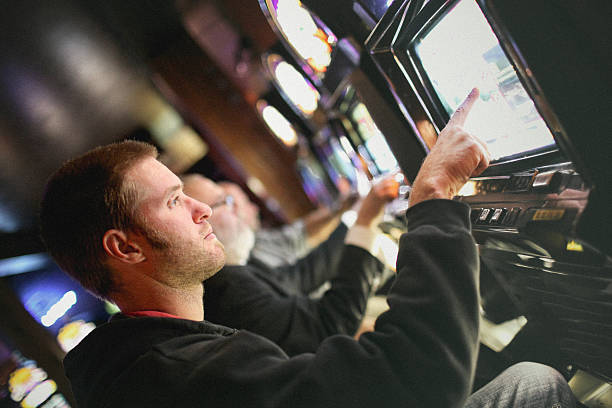
Moreover, the excitement generated by risk-taking can activate the brain’s reward system, releasing dopamine, a neurotransmitter associated with pleasure. This biochemical response enhances the gaming experience, making it addictive for many. The anticipation of a potential win and the emotional highs associated with gaming strategies contribute to a complex psychological landscape that keeps players engaged and often leads them back to the tables.
The Role of Cognitive Biases
Cognitive biases significantly influence players’ decision-making processes in casinos. One prevalent bias is the “gambler’s fallacy,” where individuals believe that past events influence future probabilities. For example, if a player has observed a sequence of losses, they may falsely assume that a win is “due,” leading them to invest even more in the hopes of recovering their losses. This fallacy can lead to irrational behavior that goes against statistical reasoning.
Additionally, the “illusion of control” is a psychological phenomenon where players believe they can influence the outcome of random games, such as slot machines or roulette. This belief often results in players employing personal gaming strategies—like choosing specific machines or colors—despite the understanding that these games are fundamentally luck-based. Such biases create a veil of confidence that can further entrench players in their gaming habits.
Emotions and Decision Making
The emotional state of a player can heavily impact their gambling decisions. Casinos are designed to be immersive environments that stimulate senses and emotions, from the sounds of slot machines to the sights of flashing lights. These elements can create a heightened emotional state that may cloud judgment, leading to impulsive decisions regarding bets and strategies.
When players are elated or stressed, their capacity for rational decision-making can diminish. The highs of winning can lead to increased betting, while losses can provoke a “chasing” behavior where players attempt to win back lost funds. This emotional rollercoaster is a core aspect of gambling psychology, making it crucial for players to maintain a level head when engaging in casino gaming strategies.
Social Influences on Gambling Behavior
Social dynamics can shape gambling behaviors and strategies significantly. Many individuals engage in casino gaming either alone or in groups, which influences their overall experience and strategy. When in groups, players may adopt more aggressive strategies, driven by peer influence and the desire to impress others. The shared excitement of winning or losing can amplify the emotional stakes, often leading participants to gamble more than they initially planned.
Furthermore, social interactions, whether through casual conversations or competitive play, can lead to collective rituals or shared beliefs about luck and strategy. These social bonds contribute to a culture of gambling, where players collectively share insights, tips, and experiences that can further solidify their gaming habits. Thus, the social environment surrounding gaming can significantly impact individual strategies, emphasizing the intertwined nature of psychology and social influence in casinos.

Enhancing Your Gaming Experience Securely
Understanding the psychology behind casino gaming strategies is essential for anyone looking to enhance their gaming experience while minimizing risks. By acknowledging cognitive biases and emotional responses, players can make more informed decisions. Additionally, recognizing the influence of social dynamics can help players navigate their interactions in a casino setting more effectively.
For those seeking a secure platform to explore their gaming strategies, it’s crucial to prioritize safety and reliability. Websites dedicated to security verification can enhance your gaming experience by ensuring a safe browsing environment. Remember that responsible gambling is key to enjoying the thrill of casino gaming without compromising on safety.